
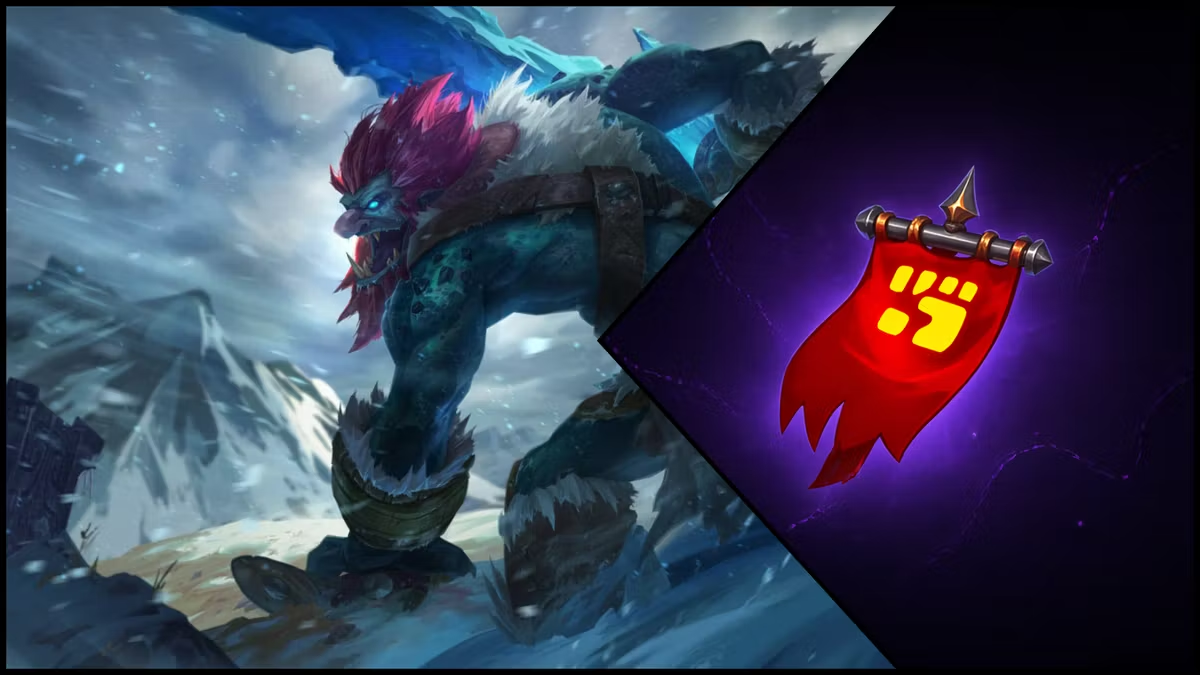
Banner of Command
If you’ve been around in League of Legends for a while, you probably remember Banner of Command. It didn’t give you insane burst or damage, but it had a very specific active mechanic that made it stand out.
What really made Banner of Command special was its active ability. You could target a cannon minion and empower it, turning it into a serious pushing threat that was immune to magic damage. That one click could suddenly force the enemy team to react, because ignoring it often meant losing a tower for free. It wasn’t about buffing your champion directly, but about creating pressure somewhere else on the map without even being there. That’s exactly why it became such a strong tool for split pushing. You could apply pressure on one side of the map while your team played elsewhere, and the enemy was constantly forced into awkward decisions.
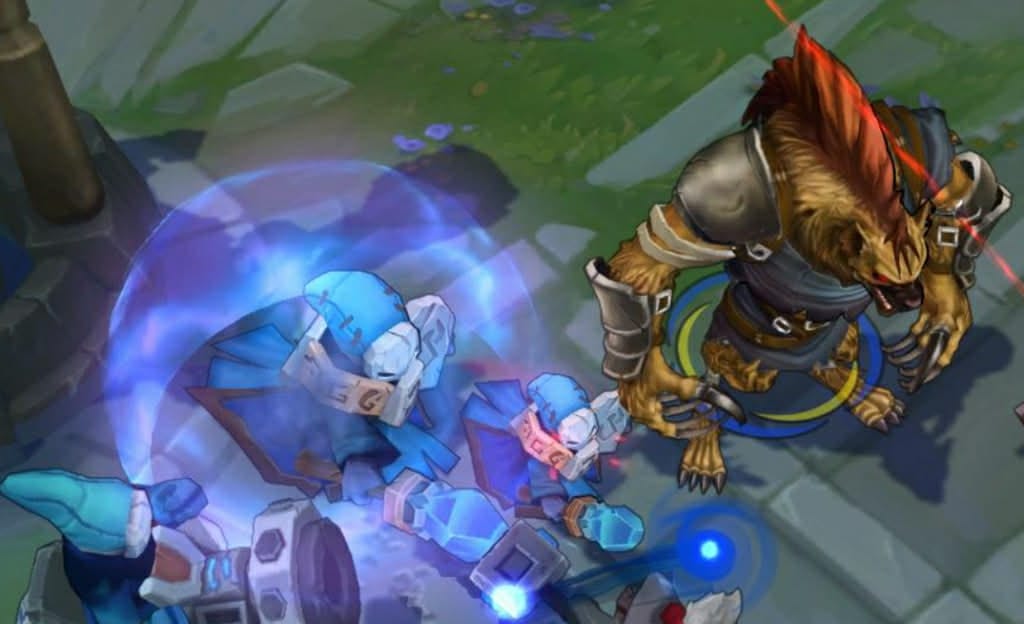
Banner of Command was built more around control and pressure than raw fighting power. It gave a mix of defensive and utility stats that made it attractive mainly for tanks and supports. The item provided ability power, bonus health, mana regeneration, cooldown reduction, and magic resistance, making it a well-rounded option for champions that didn’t rely on damage but still wanted to stay relevant in fights and on the map.
Banner of Command Stats
- Cost: 2200 gold
- Health Regeneration: +125% base health regen
- Armor: +60 armor
- Magic Resistance: +30 magic resistance
- Active - Promote: Empower a nearby lane cannon minion.
- Cooldown: 120 seconds
Promoted Minion Bonus: The empowered minion gained bonus stats, took reduced damage from champions, dealt bonus damage to turrets, and sent all gold it earned back to the item owner.
Over time, this active proved really hard to balance. In some games it barely mattered, but against certain team comps it felt almost unfair, especially if they relied heavily on magic damage.
Riot eventually removed it because it created too many frustrating situations where there wasn’t a clear or fun way to deal with it.